
The modern landscape for technology employment has shifted significantly over the past decade. Gone are the days when a simple resume submission via a company’s “Careers” page was the primary method for securing a position. Today, the sheer volume of platforms can feel overwhelming, yet choosing the right digital ecosystem is the most critical step in minimizing the friction between your skills and your next paycheck. Whether you are a software engineer, a data scientist, or a cloud architect, understanding which platforms cater to your specific niche is essential for professional growth.
Filtering Through the Noise: The Aggregation Giants
Large-scale job boards serve as the foundation of most searches. These platforms function as massive search engines, pulling data from thousands of company websites and third-party recruiters. While they are often criticized for high competition, their reach is unmatched.
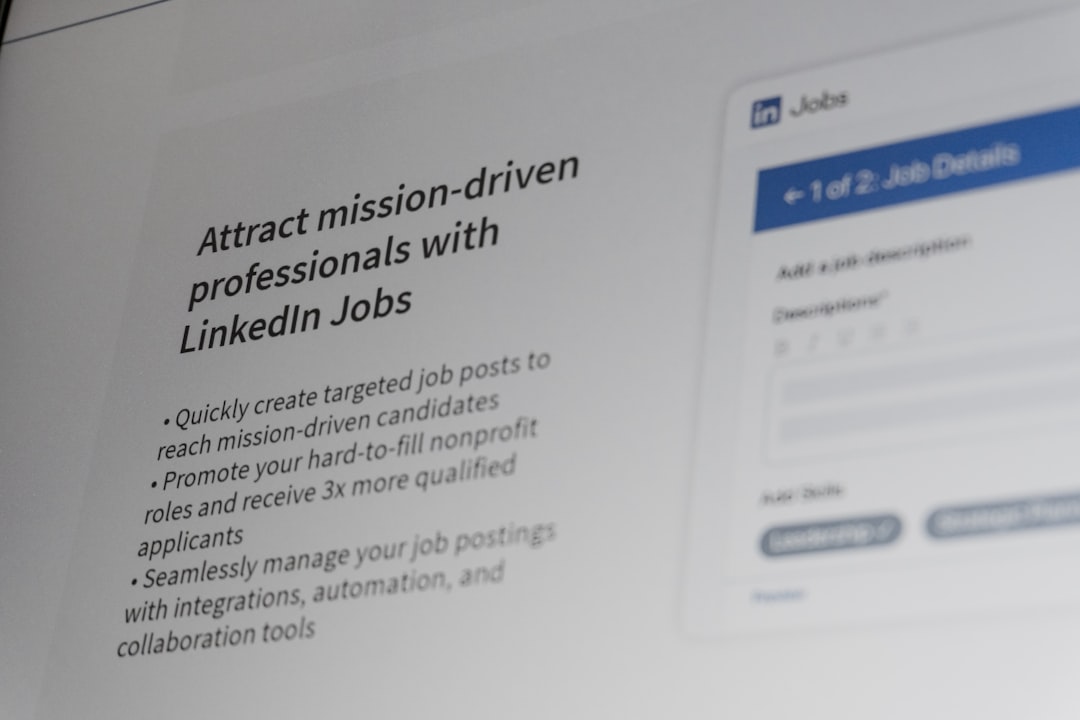
LinkedIn remains the industry gold standard for networking-driven job discovery. Its primary strength lies in the “Easy Apply” feature, but more importantly, it offers insights into the hiring team. By reviewing the profiles of current employees at a target company, candidates can better understand the team culture and technical stack before applying. Using the platform’s job market insights allows professionals to compare salary expectations with regional averages, ensuring that the roles they pursue align with current industry standards.
Indeed operates on a volume-based model, making it an excellent starting point for those looking to cast a wide net. It is particularly effective for identifying entry-level and mid-level roles that may not be advertised on specialized tech platforms. Because it aggregates listings from local job boards and small-to-medium enterprise websites, it often captures roles that larger, more exclusive platforms miss.
Specialized Tech Platforms for Targeted Opportunities
When moving beyond generalist boards, developers and engineers should prioritize platforms that understand the nuance of technical skill sets. These sites often require candidates to undergo a preliminary technical screening, which can significantly shorten the interview process.
Dice is a long-standing authority in the technology sector. Unlike general job boards, Dice focuses exclusively on tech roles, from cybersecurity to artificial intelligence. The platform provides career development resources that help candidates navigate the specific certifications needed to advance in high-demand fields. For those who want to avoid the clutter of non-technical roles, Dice offers a refined environment where the search filters are specifically designed for programming languages, frameworks, and technical toolkits.
For those who prefer a more curated approach, Hired reverses the traditional application model. On this platform, companies apply to the candidate. By creating a detailed profile that highlights technical projects and specific coding proficiencies, tech workers can attract interest from hiring managers at top-tier organizations. This method is highly efficient for senior-level professionals who may not have the time to submit hundreds of applications manually.
Leveraging Developer-Centric Communities
Some of the most high-quality tech roles are never posted on traditional job boards. They are found within the communities where developers spend their time building, collaborating, and troubleshooting.
GitHub Jobs and similar community-driven boards often attract companies that prioritize open-source contributions. A candidate who has a strong portfolio of open-source work effectively demonstrates their skills through action rather than just a resume. Hiring managers in these spaces look for consistency, clean code, and the ability to collaborate on complex projects—traits that are difficult to verify via a standard interview.
Strategic Comparison of Hiring Platforms
Selecting the right platform depends on your current career stage and the specific type of role you are seeking. The following table highlights the primary focus of the most prominent platforms in the industry.
| Platform | Primary Focus | Best For |
|---|---|---|
| Professional Networking | Mid-to-senior roles and company research | |
| Indeed | Aggregated Listings | Wide-net searches and entry-level positions |
| Dice | Tech-Specific Jobs | Specialized engineering and IT roles |
| Hired | Reverse Recruiting | High-demand developers and data scientists |
| GitHub | Open-Source/Technical | Developers focused on collaborative projects |
Maximizing Your Visibility in a Competitive Market
Having an account on these platforms is not enough; your profile must be optimized for the algorithms that scan them. Most modern recruitment platforms utilize Applicant Tracking Systems (ATS). To ensure your application is seen by a human recruiter, you must incorporate keywords that match the job description.
If a job posting emphasizes “distributed systems” and “Go programming,” those exact terms should appear in your profile. Avoid using overly creative resume formats or excessive graphics, as these can confuse the parsing software used by most large companies. According to industry research on recruitment trends, clarity and keyword density are the two most important factors in passing the initial automated screening phase.
Frequently Asked Questions
Which platform is best for someone switching into tech from another industry?
For career switchers, LinkedIn is often the most effective tool. It allows you to leverage your existing professional network while utilizing the platform’s educational resources to highlight your new technical skills.
How often should I refresh my job board profiles?
It is recommended to update your profile every two to four weeks. This keeps your account active in the platform’s search results, as many recruiters prioritize candidates who have logged in recently.
Is it better to apply through a job board or directly on a company website?
If a platform allows you to apply directly, that is usually sufficient. However, if you find a role on an aggregator, it is often a good practice to visit the company’s official career site to see if there is additional information about the application process or specific team culture.
Do I need to pay for premium versions of these platforms?
In most cases, the free tiers of these platforms are sufficient for finding a job. Premium versions often provide extra data, such as how many people have applied to a role, but they rarely increase the actual chances of getting an interview.
Final Considerations for the Modern Job Seeker
Securing a role in the tech industry is as much about strategy as it is about skill. By utilizing a mix of high-volume aggregators for broad visibility and specialized platforms for targeted opportunities, you create a balanced approach to your job search. Focus on maintaining an updated profile, using relevant keywords, and participating in the communities where your target employers are active.
The digital landscape is constantly changing, but the fundamental need for talented, skilled professionals remains constant. By remaining objective, persistent, and strategic in where you choose to invest your time, you increase the likelihood of finding a position that not only fits your technical capabilities but also aligns with your long-term professional objectives. The platforms listed above represent the most reliable tools currently available for navigating this complex market. Success in this field is rarely the result of a single application; it is the culmination of a well-researched and disciplined approach to professional engagement.
Featured Image Credit: Generated/Sourced via Premium Niche Stock Presets.
Disclaimer: This article is AI-generated for informational and educational purposes. While we strive to provide high-quality context and authority, the content should not be used as professional advice. The author/website assumes no liability for external links or factual omissions.
